
Some journeys take longer.
Right now, more cats are arriving at RSPCA ACT with complex injuries, illness and medical needs. Your support ensures they receive urgent treatment, recovery time, and a real future.

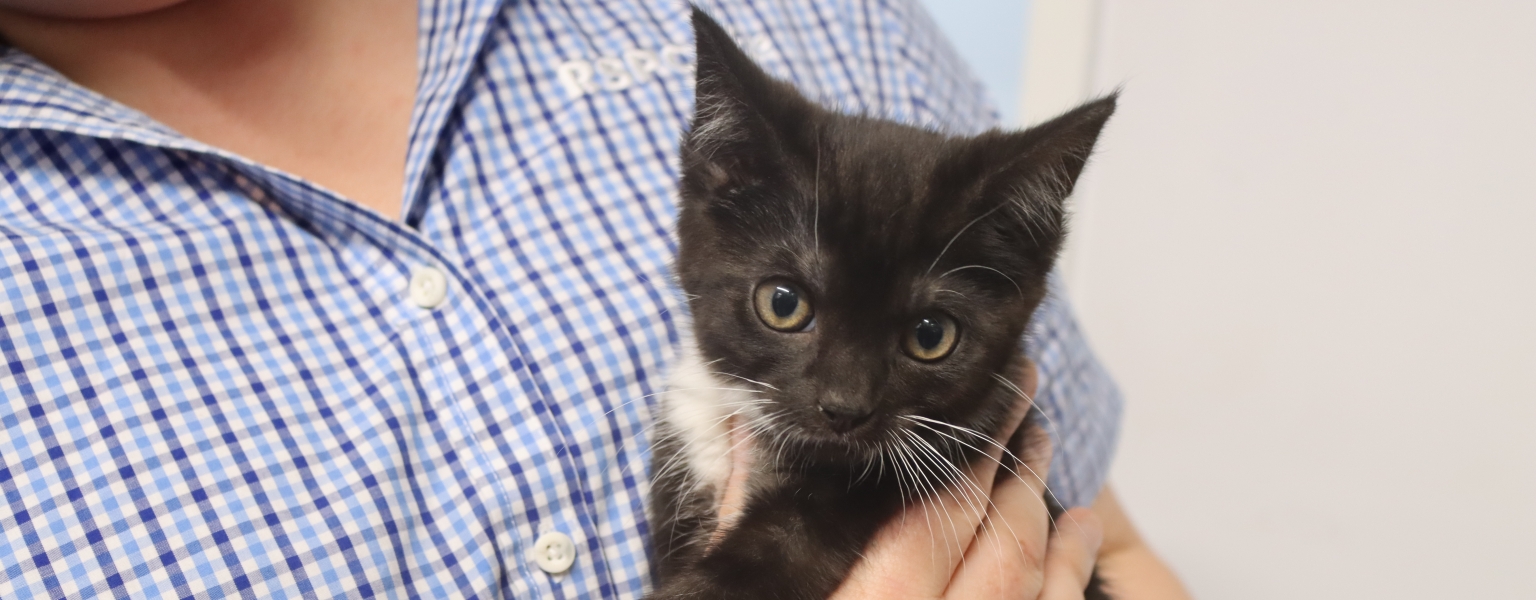
Right now, more cats are arriving at RSPCA ACT with complex injuries, illness and medical needs. Your support ensures they receive urgent treatment, recovery time, and a real future.
The first months of this year have brought a steady stream of injured strays, vulnerable kittens, and cats with complex medical needs.
More than two-thirds of the animals we care for are cats.
Many require surgery, ongoing treatment, specialist diets, long recovery periods and dedicated foster homes before they are ready for adoption.
This level of care takes:
• Skilled veterinary teams
• Extended clinic time
• Medication and monitoring
• Compassionate foster carers
• Often weeks or months
And it is only possible because of community support.
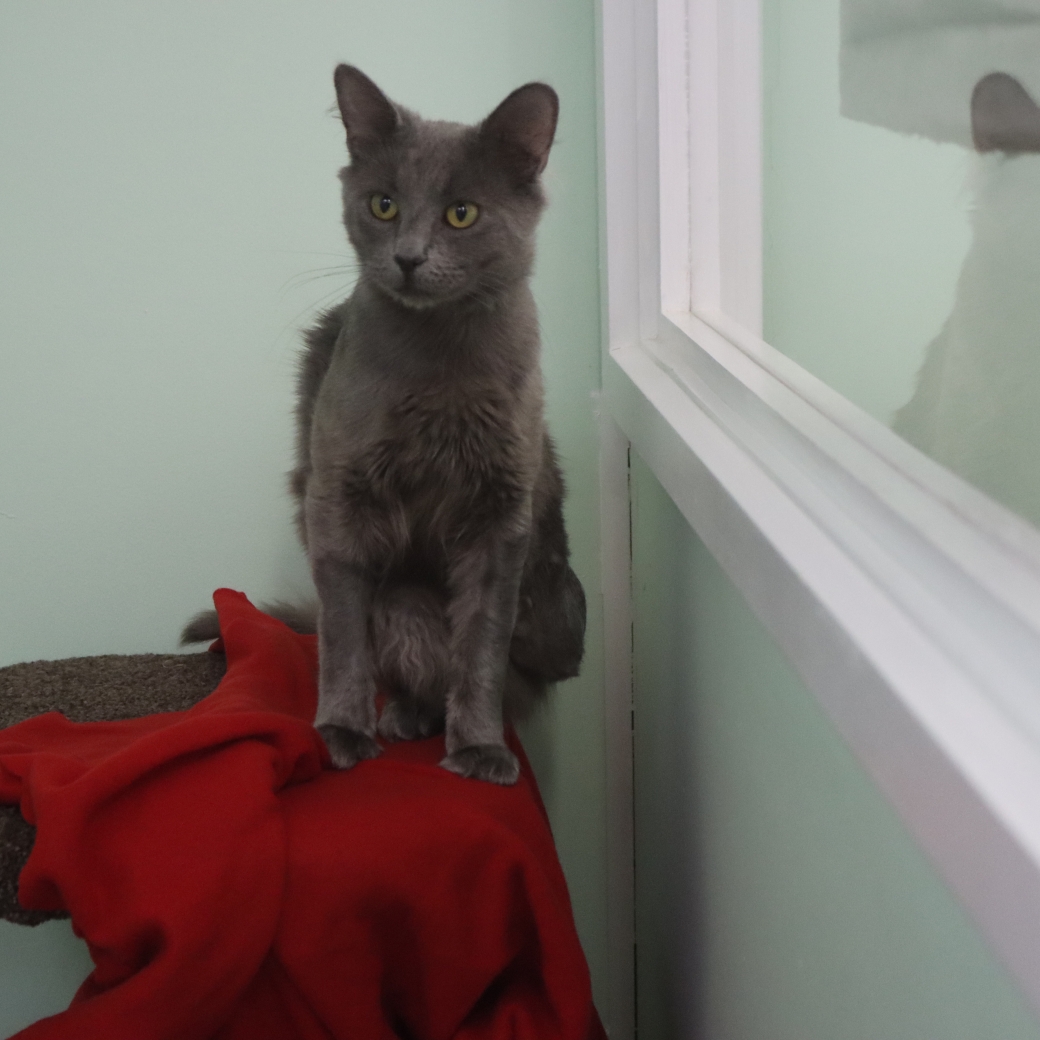
Tinks arrived with a painful degloving injury to her chin. Despite her discomfort, she sought affection from everyone she met.
She needed urgent surgery. Our veterinary team operated that same afternoon. Today, she has healed beautifully and is ready for her fresh start.
Your donation helps ensure no animal waits in pain.
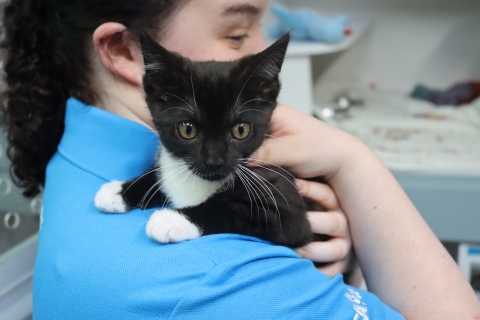
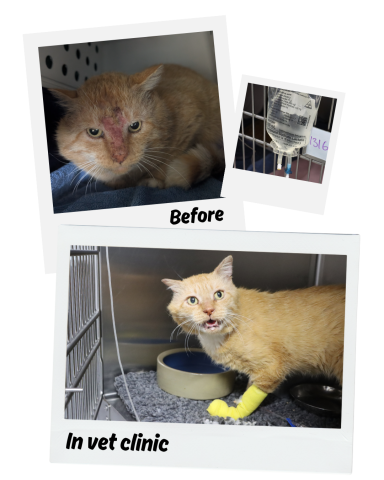
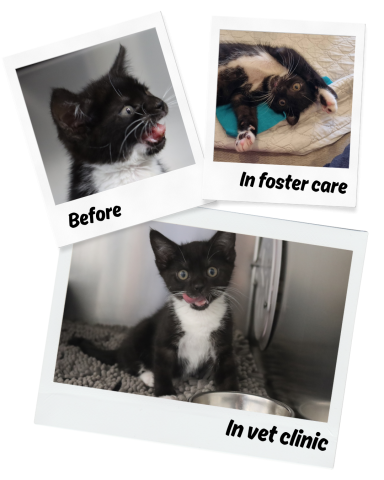
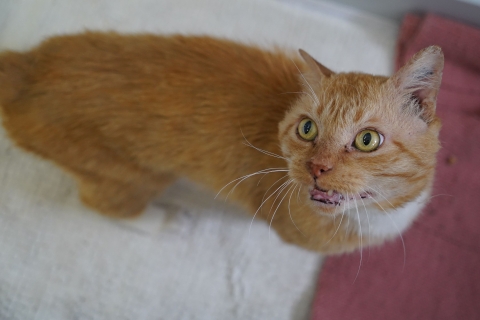
Ciabatta required major dental surgery, losing most of his teeth. During recovery, his foster carer noticed unusual symptoms. Further testing confirmed diabetes.
With medication, careful monitoring and ongoing support, Ciabatta stabilised and continued his journey toward adoption.
Cases like his are becoming more common. Cats are arriving with multiple overlapping medical conditions that require extended, specialist care.
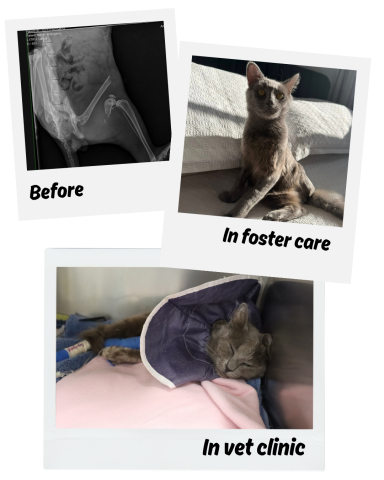
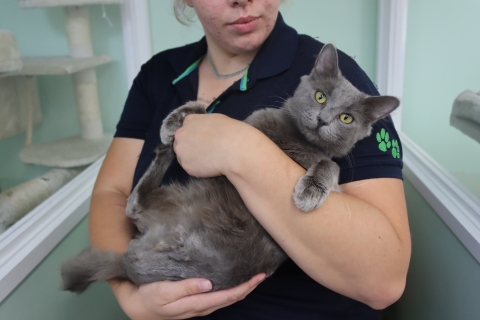
Mouse came to us with a severely broken back leg. Amputation was the only way to give him a pain-free life.
After surgery and recovery in foster care, he is now helping another timid foster cat build confidence.
This is what thoughtful, compassionate care looks like.
When our community stepped forward late last year, the impact was immediate.
In December and January alone:
308 cats and kittens were desexed.
Preventing more than 2,064* unwanted kittens from being born this year.
Desexing is one of the most powerful ways to break the cycle of suffering and reduce the number of vulnerable cats in our community.
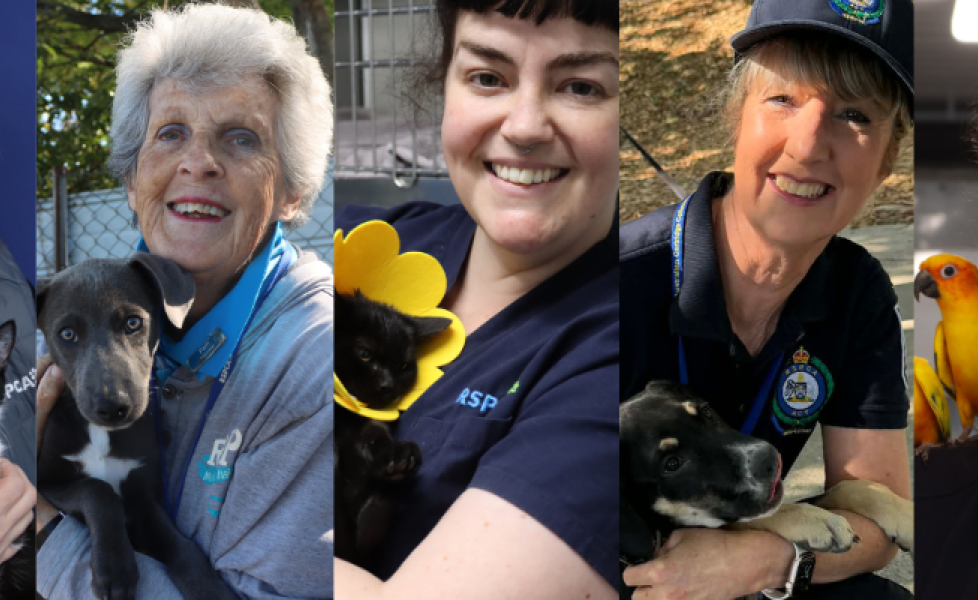
Our veterinary nurses, inspectors, animal care staff, volunteers and foster carers show up every day.
They celebrate the recoveries.
They carry the losses.
They say yes to complex cases.
They do it because every animal deserves the best possible outcome.
Your support sustains not only treatment, but the people who give everything they have to this work.